
An article in Scientific American (“To Lead a Meaningful Life Become Your Own Hero,” January 2024) reminded readers that storytelling is the most impactful way to communicate an idea. I recalled that Native Americans used storytelling as a key way to communicate and entertain. In some tribes, parents would tell a story to their child as a way of entertaining them. Other times, the same parents would tell the same story to the same child as a way of correcting misbehavior.
I know from my teaching experience the greater impact stories have over just reciting the principles I want the students to know. The best stories were the ones from my own experience, and yet stories from others also had a good effect in conveying the information.
When I started to think about telling more stories, my first thought was, “I don’t really have any good stories from my experience.” However, we all tend to learn better from experiences than from reading books or listening to lectures. Our lives are a series of experiences, and each experience is a story. Sure, some stories we’d rather not tell. But others, even though they didn’t have the best outcomes, have helped us become who we are and can serve as teaching points when shared with others.
The Scientific American article describes the “ideal” story as described by Joseph Campbell in 1949 as one in which the protagonist overcomes obstacles to achieve victory. The Scientific American article distills the storyline into seven steps. They are:
- The protagonist: the principal character of the story
- The shift: something changes for the protagonist
- The quest: the journey, whether physical or mental
- Gaining allies
- The challenge: a final chance at failure
- The transformation: a change in the protagonist
- The legacy: the final deed
Each of us has many stories. We often don’t tell them because the opportunity doesn’t present itself or because we feel the story is not interesting to others.
Let me share my journey with optics. As an electrical engineering student at the university, I was required to take physics courses. One of those courses dealt with light. I was frustrated. In electronics, I could use a voltmeter or oscilloscope to measure what was going on with a circuit. With light, there was no similar way to measure what it was doing.
After completing the physics course, I decided that my knowledge of light was that when the sun came up in the morning, it was light, and when I flipped the wall switch on, the room was filled with light. For several years, this was enough. But my career changed. I became involved with machine vision—eyes for automation. This requires a camera to sense light from the scene. It wasn’t enough to just flip on the wall switch. I needed to pick the light source, the lens, and maybe optical filters. I was out of my element. With help and guidance from many people who were optical wizards, I gradually gained working proficiency in understanding and using light. Now, I teach lighting and have a series of video courses that cover most aspects of optics. I don’t need the voltmeter or oscilloscope to understand what light is doing.
Every single day is filled with experiences. Some experiences are quick, maybe only minutes. Other experiences take time, even years. Experience enriches our lives. Each experience is a story. Sharing our stories enriches the lives of others.
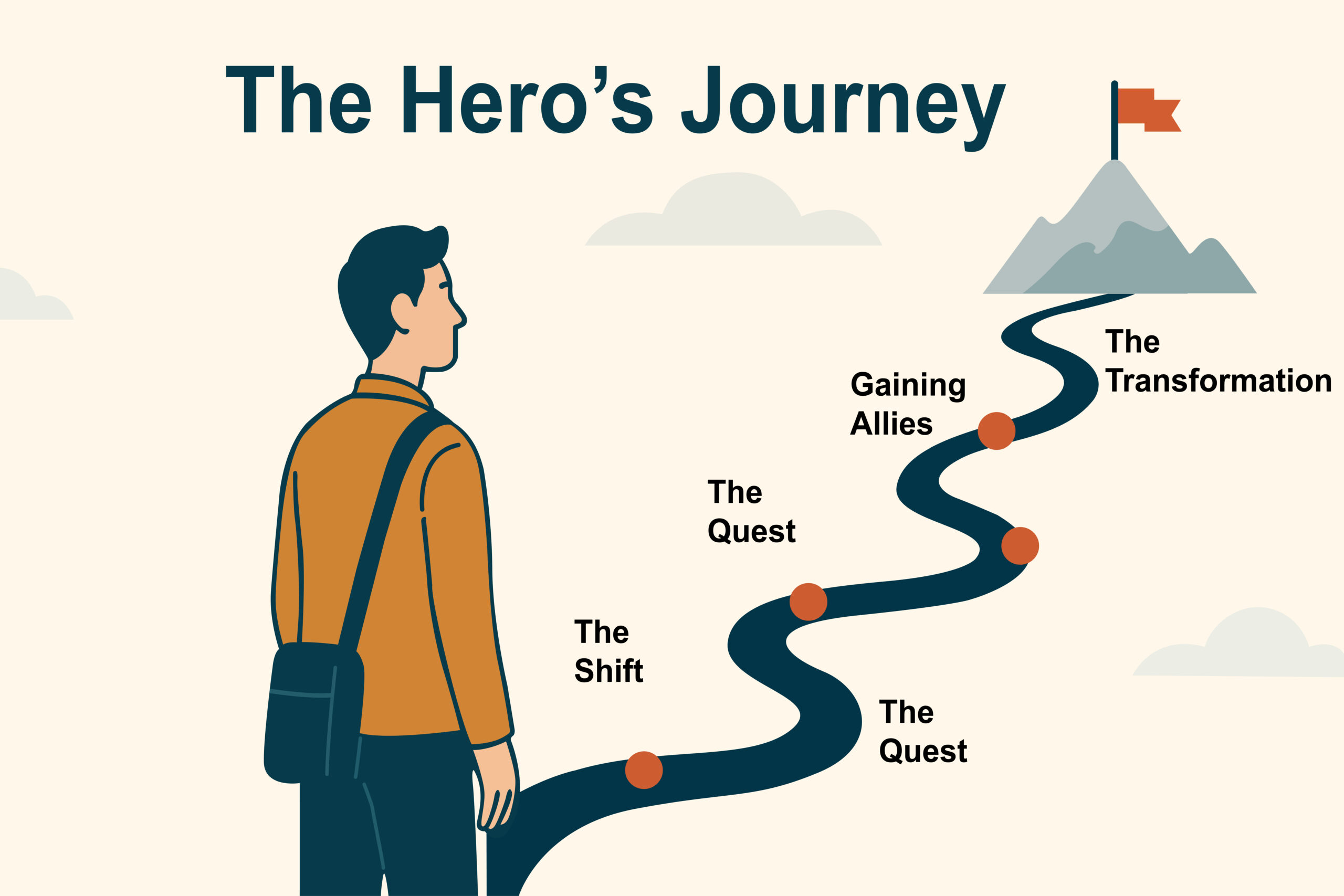
Image source: SKMurphy & Muhammad Alayan